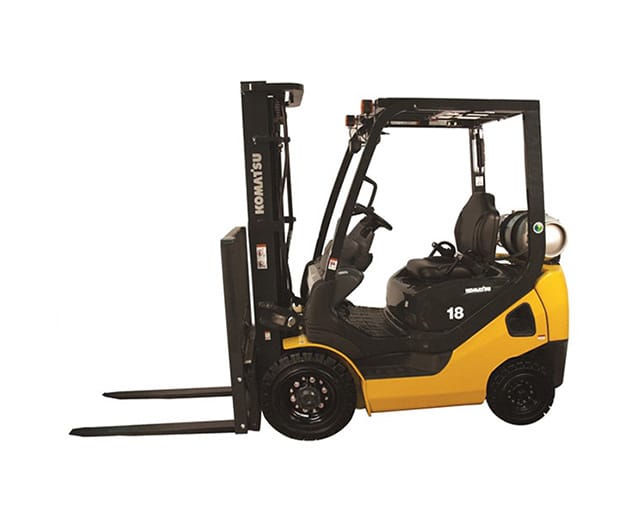
In industrial and warehouse settings, forklifts play a crucial role in material handling and logistics operations. Operating a forklift safely and efficiently requires specialized skills and knowledge. Two primary training courses aimed at equipping individuals with these skills are the Forklift 3-Day Basic Training Course and the Forklift 5-Day Novice Operator Training. While both courses share the common goal of enhancing forklift operation proficiency, they differ in duration and depth of training. Let’s delve into the intricacies of these courses and explore how they contribute to elevating forklift operations in the workplace.
The Forklift 3-Day Basic Training Course is designed to provide participants with fundamental forklift operation skills and safety knowledge. Over the course of three days, participants receive hands-on training in operating a forklift, including basic maneuvers, load handling, and safety procedures. Additionally, participants learn about forklift components, inspection requirements, and hazard awareness to ensure safe operation in diverse work environments.
Conversely, the Forklift 5-Day Novice Operator Training offers a more comprehensive training experience for individuals with little to no prior forklift operation experience. This course extends over five days to allow for more in-depth instruction and practice opportunities. Participants receive thorough training in all aspects of forklift operation, including advanced maneuvers, specialized handling techniques, and in-depth safety protocols.
Here’s a closer look at how these courses contribute to enhancing forklift operation proficiency:
Foundational Skills Development: Both courses focus on developing foundational forklift operation skills essential for safe and efficient operation. Participants learn how to maneuver the forklift in tight spaces, lift and stack loads properly, and navigate obstacles safely. By mastering these foundational skills, operators can perform basic forklift tasks with confidence and precision.
Safety Training and Hazard Awareness: Safety is paramount in forklift operation, and both courses prioritize safety training and hazard awareness. Participants learn about safety regulations, personal protective equipment (PPE) requirements, and safe operating practices to prevent accidents and injuries. Additionally, hazard awareness training helps operators identify and mitigate potential risks in the workplace, ensuring a safer working environment for themselves and their colleagues.
Equipment Familiarization and Maintenance: Understanding forklift components and maintenance requirements is essential for efficient and reliable operation. Both courses provide participants with training in forklift components, controls, and inspection procedures. Participants learn how to conduct pre-shift inspections, identify mechanical issues, and perform basic maintenance tasks to keep the forklift in optimal working condition.
Load Handling Techniques: Proper load handling is critical for maintaining stability and preventing accidents while operating a forklift. Both courses cover load handling techniques, including palletizing, stacking, and securing loads. Participants learn how to calculate load capacities, distribute loads evenly, and use attachments effectively to handle various types of loads safely and efficiently.
Emergency Procedures and Crisis Management: In the event of an emergency or equipment malfunction, quick and effective response is essential to minimize risks and ensure the safety of personnel. Both courses provide training in emergency procedures, including shutdown protocols, evacuation procedures, and communication protocols. Participants learn how to respond calmly and decisively in emergency situations, contributing to a swift and coordinated response to mitigate potential hazards.
Legal and Regulatory Compliance: Operating a forklift requires compliance with legal and regulatory requirements to ensure workplace safety and prevent liabilities. Both courses familiarize participants with relevant regulations, standards, and guidelines governing forklift operation. By adhering to these requirements, operators contribute to a safer and more compliant work environment, reducing the risk of accidents and regulatory penalties.
In conclusion, the Forklift 3-Day Basic Training Course and the Forklift 5-Day Novice Operator Training play integral roles in enhancing forklift operation proficiency and safety in industrial and warehouse settings. Whether it’s developing foundational skills, mastering advanced techniques, or fostering a culture of safety and compliance, these courses provide participants with the knowledge, skills, and confidence needed to operate forklifts safely and efficiently. By investing in comprehensive training, organizations can ensure that their forklift operators are well-prepared to navigate the challenges of the workplace and contribute to a productive and secure work environment.
 aetptllscourse